
Introduction
The internet is evolving again. After static websites (Web1) and social, platform-driven experiences (Web2), Web3 is emerging as the next major shift—one that promises ownership, transparency, and freedom. But Web3 isn’t just for developers or crypto investors. In the coming years, it will quietly reshape how we work, shop, learn, socialize, and even govern our lives.
So what does Web3 really mean for everyday people? Let’s explore.
What Is Web3 in Simple Terms?
Web3 is a decentralized version of the internet built on blockchain technology. Instead of data being controlled by large corporations, users own their data, assets, and digital identities.
Key pillars of Web3:
- Blockchain-based systems
- No central authority
- User ownership and control
- Trust through code, not intermediaries
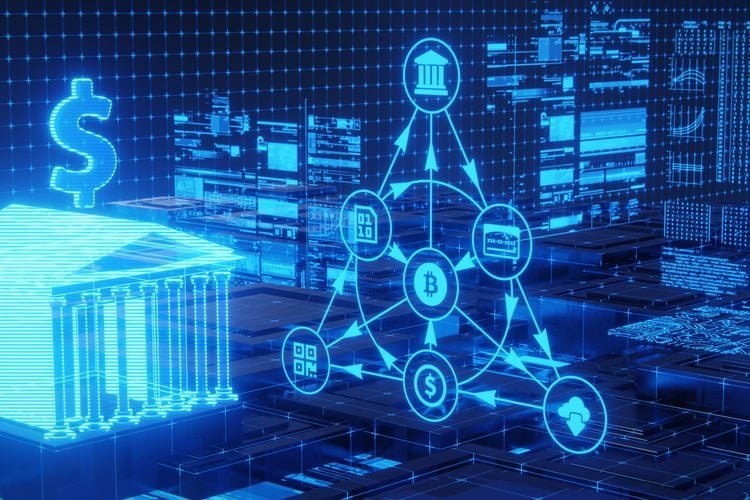
Digital Identity: You Own Who You Are Online
In today’s internet, your identity is spread across platforms—Google, Facebook, banks, apps. Web3 introduces self-sovereign identity, where:
- You control your personal data
- You share only what’s necessary
- No platform can misuse or sell your information
Imagine logging into every service with one secure digital wallet, without passwords or third-party verification.
Money Without Middlemen
Web3 is redefining money through cryptocurrencies, stablecoins, and decentralized finance (DeFi).
In everyday life, this means:
- Instant global payments without banks
- Lower transaction fees
- Financial access for unbanked populations
- Smart contracts replacing paperwork
From paying freelancers to sending money abroad, finance becomes faster, fairer, and borderless.
Work & Careers in a Web3 World
The future of work is decentralized too.
Web3 enables:
- Freelancers paid instantly via smart contracts
- DAOs (Decentralized Autonomous Organizations) replacing traditional companies
- Global talent collaboration without HR barriers
- Transparent contribution-based rewards
Your skills—not your location—will define your opportunities.
Social Media Without Algorithms Controlling You
Web3 social platforms give power back to users:
- You own your content
- No shadow bans or algorithm manipulation
- Creators earn directly from followers
- Communities govern platforms together
This leads to authentic engagement, not attention-driven addiction.
Shopping, Gaming & Digital Ownership
In Web3, digital items are truly yours through NFTs and tokenized assets.
Real-life impact:
- Own in-game assets you can sell or trade
- Digital fashion with real value
- Transparent supply chains for products
- Loyalty rewards as tradable tokens
Virtual and physical economies will blend seamlessly.
Governance & Public Systems
Web3 also has the power to transform governance:
- Transparent voting systems
- Corruption-resistant public records
- Community-driven decision-making
- Real-time accountability
This could redefine democracy, especially in digital-first societies.
Challenges We Must Overcome
While promising, Web3 faces hurdles:
- User education and awareness
- Scalability and speed
- Regulation and security risks
- Environmental concerns (though improving rapidly)
Adoption will be gradual—but inevitable.
Web3 by 2050: A Silent Revolution
By 2050, Web3 won’t feel “new.” It will simply be how the internet works—quietly empowering individuals behind the scenes. Just like smartphones today, its presence will be invisible yet essential.
Final Thoughts
Web3 is not about replacing the internet—it’s about fixing it. As decentralization enters everyday life, people will gain more control, trust, and opportunity in the digital world.
The future isn’t just connected.
It’s decentralized.