
Introduction
From paying for groceries to sending money to family, daily transactions are at the heart of modern life. Yet today’s systems are slow, expensive, and heavily dependent on intermediaries like banks, payment apps, and financial institutions. Web3 is set to change this by making transactions faster, cheaper, more transparent, and user-owned.
Let’s explore how Web3 will transform everyday transactions in the coming years.
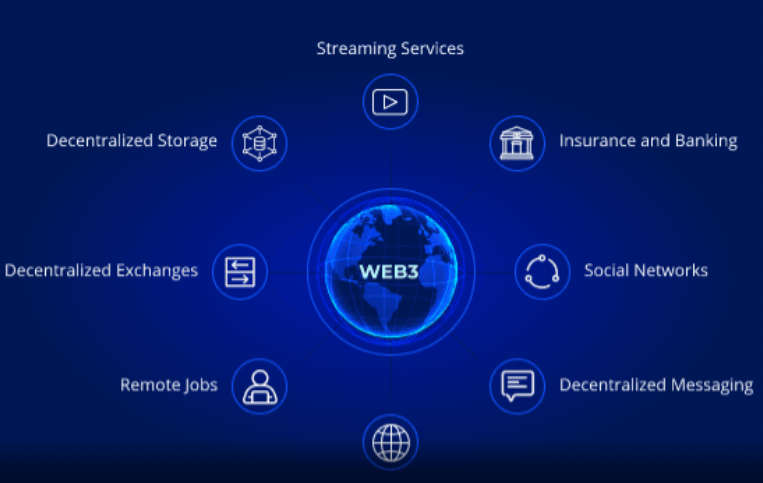
1. Instant Peer-to-Peer Payments
Web3 enables direct peer-to-peer (P2P) payments without banks or payment gateways.
What changes?
- Money transfers happen in seconds
- No bank working hours or holidays
- Lower or near-zero transaction fees
- Global payments without currency barriers
Sending money will become as easy as sending a message.
2. Smart Contracts Replace Manual Processes
A smart contract is a self-executing agreement stored on a blockchain.
Daily impact:
- Automatic rent payments
- Salary disbursement without HR delays
- Insurance claims settled instantly
- Service payments triggered upon completion
No paperwork. No middlemen. Just code-driven trust.
3. Microtransactions Become Practical
Traditional systems struggle with small payments due to fees. Web3 makes microtransactions viable.
Examples:
- Paying per article instead of monthly subscriptions
- Tipping creators directly
- Paying per minute for digital services
- Pay-as-you-use utilities
This creates a fairer economy for both users and creators.
4. Financial Access for Everyone
Web3 opens financial systems to people without bank accounts.
With just a smartphone and wallet:
- Anyone can store money securely
- Access lending and savings tools
- Participate in global commerce
- Build financial identity without paperwork
This is especially transformative for developing economies.
5. Transparent & Traceable Transactions
Every Web3 transaction is recorded on a public ledger.
Benefits include:
- Reduced fraud
- Clear audit trails
- Real-time transaction verification
- Increased trust in payments
Transparency becomes the default, not an option.
6. Cross-Border Payments Without Friction
International transfers today are slow and costly. Web3 removes borders.
New reality:
- No currency conversion delays
- No intermediary banks
- Near-instant settlement
- Stablecoins reduce volatility
Global trade becomes seamless—even for individuals.
7. Token-Based Loyalty & Rewards
Web3 transforms reward systems into real assets.
Instead of points:
- Tradable tokens
- Interoperable across brands
- Real monetary value
- User-owned rewards
Loyalty becomes portable and meaningful.
8. Reduced Dependency on Central Authorities
Web3 transactions operate on decentralized networks.
This means:
- Fewer transaction freezes
- Less censorship
- Greater financial independence
- Resilience during system failures
Control shifts from institutions to individuals.
Challenges Ahead
Despite its promise, Web3 faces challenges:
- User education
- Security awareness
- Regulatory clarity
- Scalability improvements
However, innovation is rapidly addressing these barriers.
Conclusion
Web3 won’t just improve transactions—it will redefine trust in everyday exchanges. By removing intermediaries, increasing transparency, and empowering users, Web3 lays the foundation for a more open and inclusive financial future.
Soon, daily transactions won’t feel revolutionary—
They’ll simply feel better.