
Introduction
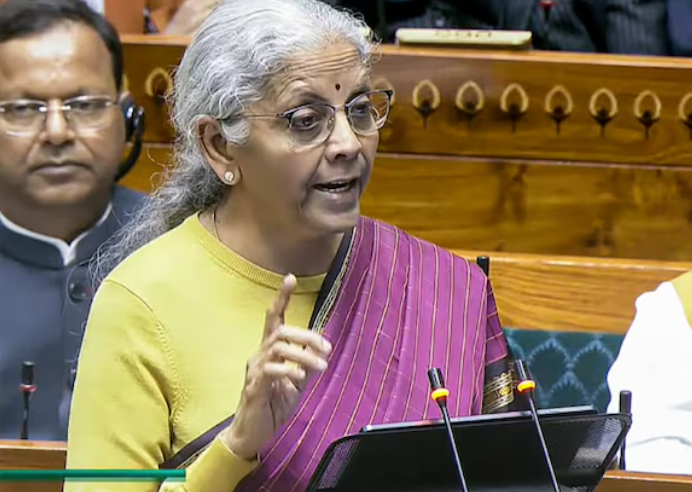
Finance Minister Nirmala Sitharaman’s Union Budget 2026-27 has placed India’s creative industries at the heart of the country’s services-led growth strategy. For the first time, sectors like animation, gaming, live entertainment, design, and intellectual property are being positioned not just as cultural assets but as engines of employment, entrepreneurship, and urban growth.
🎨 What is the Orange Economy?
The Orange Economy, also called the creative economy, refers to knowledge-based activities that integrate culture, creativity, technology, and intellectual property to generate economic and social value. Unlike manufacturing, its value lies in ideas, artistic expression, and cultural capital.
Globally, creative industries contribute between 0.5% and 7% of GDP, according to UNCTAD. In India, structural factors—youthful demographics, rising incomes, digital adoption, and urbanisation—make this sector especially promising.
📊 Budget 2026-27 Highlights
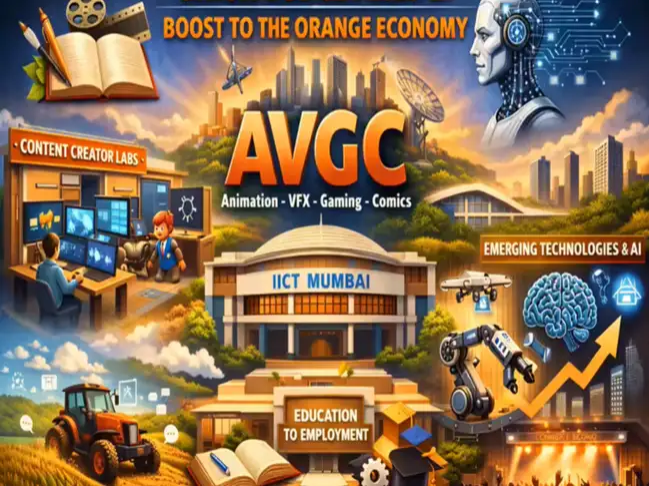
- AVGC Sector Expansion: The Animation, Visual Effects, Gaming, and Comics industry is projected to need 2 million professionals by 2030.
- AVGC Labs Nationwide: The government will set up content creator labs in 15,000 schools and 500 colleges through the Indian Institute of Creative Technologies, Mumbai.
- New National Institute of Design: To address the shortage of trained designers, a new NID will be established in eastern India.
- Concert Economy Boost: The Budget and Economic Survey highlight live entertainment as a tourism multiplier, with plans for streamlined permissions and infrastructure.
🎶 The Concert Economy
Live entertainment is more than music—it’s an economic catalyst. Internationally, concerts generate billions in output and jobs. In India, growth is steady but constrained by:
- Shortage of large venues
- Complex regulatory approvals (10–15 permissions per event)
- Payment and foreign exchange hurdles for international performers
The government is working on a Single Window Mechanism for Live Entertainment Permissions, aiming to simplify approvals and unlock tourism and employment potential.
🌍 Why It Matters for India
- Youth employment: Creative industries absorb young workers in design, gaming, events, and digital content.
- Urban growth: Cities benefit from clustering of talent, tourism, and cultural branding.
- Global positioning: Initiatives like WAVES 2025 Summit showcase India’s ambition to be a global hub for media, entertainment, and creative innovation.
🔮 Future Outlook
By 2030, India’s Orange Economy could redefine its global image—not just as a tech powerhouse but as a creative superpower. With AVGC labs, design institutes, and regulatory reforms, the country is laying the foundation for a vibrant creator ecosystem.
✅ Conclusion
The Union Budget 2026-27 marks a turning point. By embedding creativity into education, supporting startups, and boosting live entertainment, India is betting big on the Orange Economy. For entrepreneurs, artists, and innovators, this is a call to imagine boldly and build the future.