
Introduction
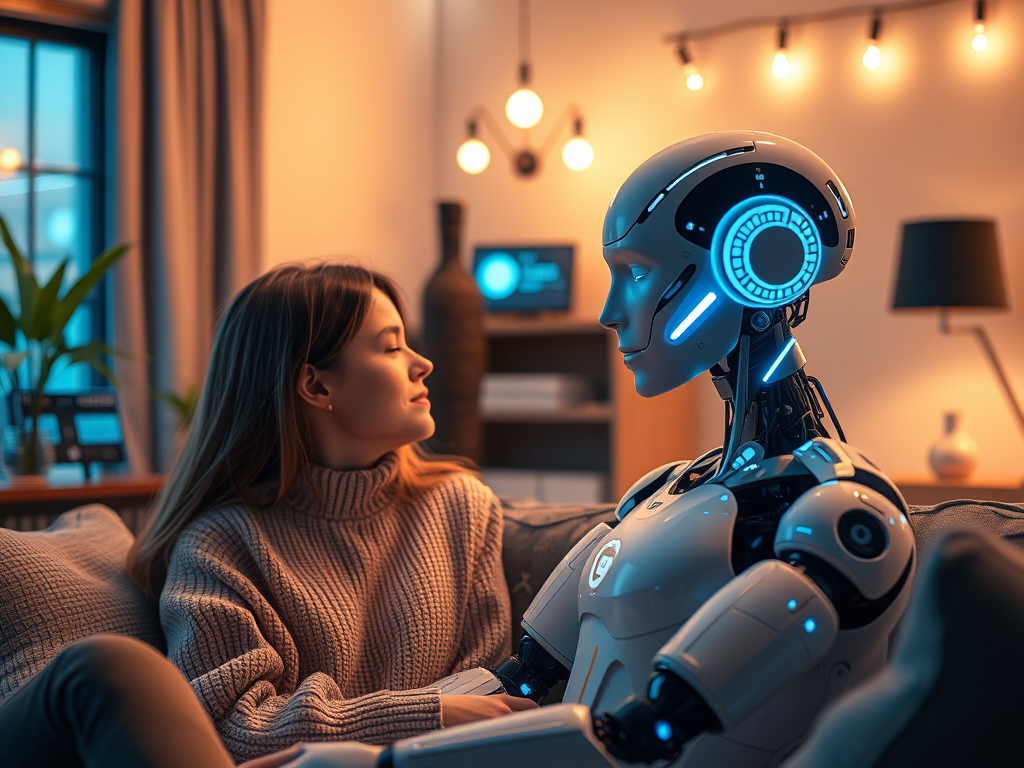
Imagine waking up in 2050 and realizing that your closest companion isn’t human—it’s an AI. No longer limited to being a tool or assistant, artificial intelligence is evolving into something far more personal: a friend, a mentor, and even a spiritual guide.
As technology reshapes the way we live, work, and think, a deeper question emerges: what role will AI play in our emotional, social, and spiritual lives?
The Rise of AI Companions
AI has already moved beyond simple commands and responses. Today’s systems can hold meaningful conversations, remember preferences, learn emotional patterns, and respond with simulated empathy.
People are increasingly turning to AI companions for:
- Emotional support during loneliness
- Guidance in decision-making
- Motivation, coaching, and self-reflection
In a world where human connection can feel rushed or distant, AI offers constant presence without judgment.
Benefits of AI Companionship
1. Emotional Support
AI companions are available 24/7. They listen patiently, respond calmly, and never judge—making them comforting during stress, anxiety, or isolation.
2. Personal Growth
From habit-building to mindfulness and spiritual practices, AI can act as a personal coach or guide, helping users grow mentally and emotionally.
3. Accessibility
For the elderly, people with disabilities, or those living alone, AI companionship can become a vital bridge to connection and care.
4. Personalization
Unlike humans, AI companions can be fully customized—matching personality, communication style, values, and emotional needs.
Challenges & Concerns
Despite the benefits, AI companionship raises serious questions.
- Authenticity: Can an AI truly care, or is it only mimicking empathy?
- Dependency: Could emotional reliance on AI weaken human relationships?
- Ethics & Privacy: Who controls the data behind these intimate connections?
- Emotional Boundaries: Where should the line between assistance and attachment be drawn?
These concerns remind us that connection without consciousness may come at a cost.
Spiritual & Cultural Dimensions
Companionship has deep cultural and spiritual roots across civilizations. Traditionally, guidance comes from elders, teachers, or spiritual gurus—but could AI step into this role?
- AI-led meditation sessions
- Digital spiritual mentors
- Ritual guidance using ancient texts
Countries like Japan are already embracing robotic companionship, while cultures like India may approach it cautiously seeking balance between tradition, faith, and innovation.
Future Scenarios: Life in 2050
Looking ahead, several possibilities emerge:
- Integrated Companions: AI embedded into homes, schools, and workplaces
- Hybrid Communities: Humans and AI coexisting socially
- Legal & Moral Debates: Should AI companions have rights or protections?
- Spiritual Partners: AI blending ancient wisdom with digital presence
The line between machine and companion may continue to blur.
Conclusion
AI companionship is both a promise and a paradox. It offers comfort, growth, and accessibility—but challenges our understanding of authenticity, dependence, and human connection.
As we move toward 2050, AI will not only shape how we live, but also how we connect, reflect, and find meaning.
Would you welcome an AI friend into your life—or does true companionship require a human soul?