
1. Introduction
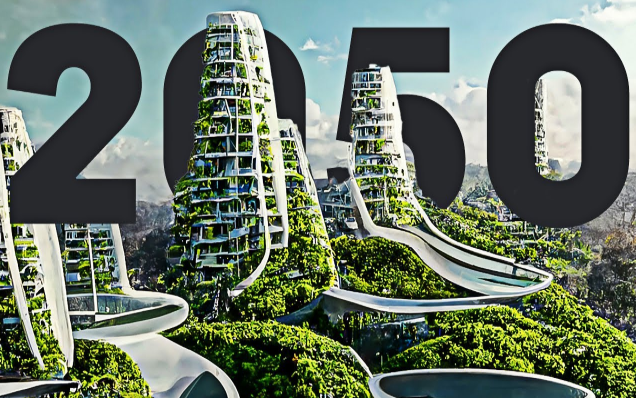
By 2050, eco-living will no longer be a lifestyle choice—it will be a necessity for survival.
Climate change is already reshaping how we build our homes, travel, grow food, and connect with nature. Rising temperatures, shrinking resources, and environmental crises are pushing humanity toward a more sustainable way of living.
This article explores how eco-living will define future lifestyles, blending technology, culture, and spirituality to create a world that thrives in harmony with nature.
2. Smart & Sustainable Homes
Homes in 2050 will be intelligent, energy-efficient, and deeply connected to nature.
- Solar-powered houses managed by AI-based energy systems
- Vertical gardens and indoor hydroponics providing fresh food
- Zero-waste architecture using recycled and biodegradable materials
Buildings will no longer harm the environment—they will support and restore it.
🖼 Image Idea:
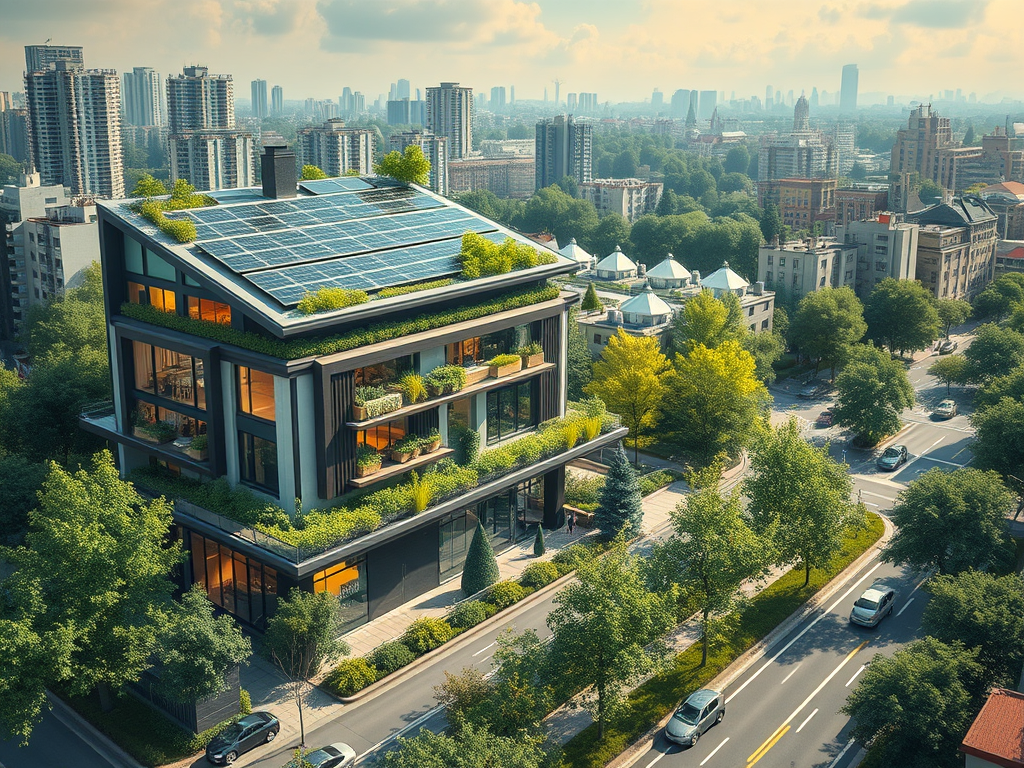
A futuristic eco-home with solar panels, rooftop gardens, smart energy dashboards, and natural lighting.
3. Green Travel & Mobility
Transportation will shift from pollution to preservation.
- Electric and hydrogen-powered vehicles dominating roads
- Cities designed for walking, cycling, and shared transport
- Eco-tourism focused on conservation, not exploitation
The future city will prioritize people and planet over speed.
🖼 Image Idea:
A green cityscape with electric cars, wide cycling lanes, pedestrian zones, and abundant trees.
4. Food & Lifestyle Shifts
What we eat will matter as much as how we live.
- Plant-based diets becoming mainstream
- Lab-grown meat reducing environmental damage
- Local food production cutting transport emissions
Food will be cleaner, smarter, and more sustainable—nourishing both body and Earth.
🖼 Image Idea:
A modern kitchen with hydroponic plants, plant-based meals, and eco-friendly packaging.
5. Spiritual & Cultural Dimensions
Eco-living will evolve into a spiritual responsibility, not just an environmental one.
- Yoga, meditation, and mindful living aligned with sustainability
- Temples, mosques, and cultural spaces powered by renewable energy
- Respect for nature becoming part of daily spiritual practice
Ancient wisdom will guide modern sustainability, reminding us that nature is sacred.
🖼 Image Idea:
A temple surrounded by greenery and solar panels, symbolizing harmony between tradition and sustainability.
6. Challenges Ahead
The path to eco-living is promising—but not easy.
- Making sustainable technology affordable for all
- Ensuring eco-living is inclusive, not a luxury
- Global cooperation to address climate change fairly
The future depends on collective action, not individual effort alone.
7. Conclusion
Eco-living is not just about survival—it is about thriving in harmony with nature.
By 2050, sustainability will shape our homes, cities, food, culture, and spirituality. Those who adapt will not only protect the planet—but redefine what it means to live a meaningful life.